December 17, 2025
Commercial concrete driveways are a crucial element in establishing the aesthetic and functional value of a property. Choosing the right design involves considering various factors such as durability, style, and budget. This article explores essential sections of the design process to ensure that you select the best possible driveway for your commercial property.
1. Understanding the Basics of Concrete Driveway Design
When designing a commercial concrete driveway, material selection is fundamental. Concrete offers versatility and strength, making it the preferred choice for many commercial applications. The specific mixture of concrete affects its durability, with options like reinforced concrete providing additional strength. It is crucial to consider the climate and environmental conditions where the driveway will be placed. Understanding these basics helps in making an informed choice that guarantees longevity and endurance.
The layout of a driveway significantly impacts its functionality. A well-planned layout accommodates the expected traffic load, ensuring ease of movement and accessibility. Standard layouts might have a centralized entrance with branching lanes that facilitate smooth vehicle navigation. The layout should align with the overall landscape and existing architecture. A balanced and coherent design enhances the aesthetic appeal while maintaining operational efficiency.
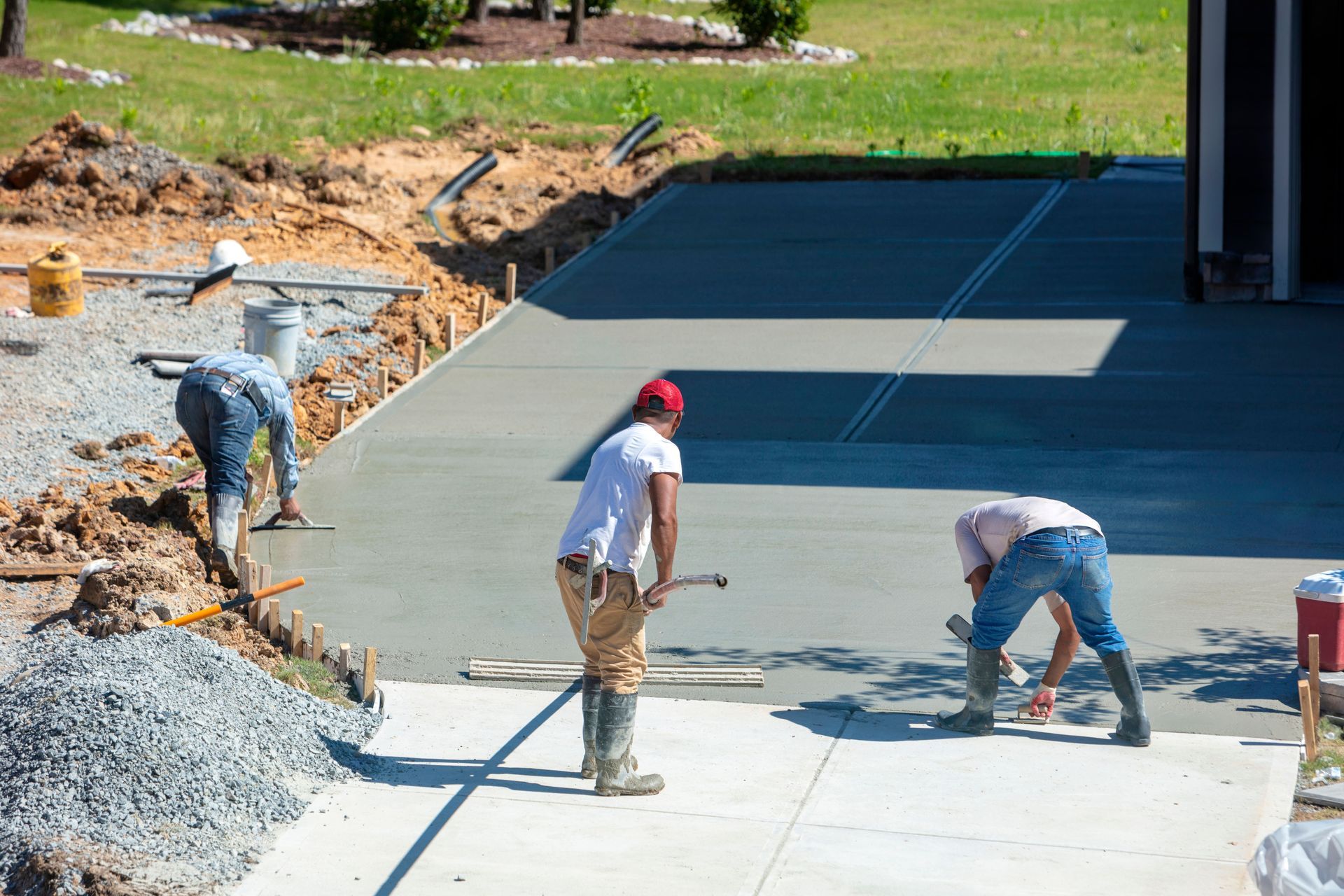
Structural integrity is non-negotiable in driveway design, particularly for commercial properties. Driveways must withstand heavy-duty usage and various weather conditions. Incorporating foundational elements that promote robustness is crucial, such as utilizing expansion joints to prevent cracking. Prominent structural design ensures the driveway is safe and reliable. Proper structural planning reduces maintenance costs and extends the lifespan of the driveway.
2. Aesthetic Considerations for Commercial Driveways
Color plays a significant role in the visual appeal of concrete driveways. While traditional grey is popular, options for color-tinted concrete are available. These colors can be mixed into the concrete before pouring or added afterward as stains and dyes. Selecting the right color involves considering how it complements the surrounding environment and building architecture. A harmonious color scheme can elevate the property's overall aesthetic impression.
Texture and finish are crucial aesthetic elements in designing concrete driveways. Different textures can be achieved through methods such as brushing, stamping, or polishing. Each finish option provides a unique look and feel, impacting the overall design theme. While smooth finishes offer a modern appearance, textured surfaces can provide more grip. The finish choice often balances aesthetic preferences with considerations for safety and maintenance.
Patterns allow for creativity in concrete driveway design. Stenciling and stamping techniques can imitate other materials like brick or stone, offering customizable design solutions. Patterns must also merge seamlessly with existing architecture to avoid clashing aesthetics. Additionally, some patterns may influence the ease of maintenance, especially in climates with snow or rain. By thoughtfully considering pattern options, property owners ensure that their driveways add visual interest while serving functional needs.
3. Functional Requirements and Practicality
Understanding traffic load and volume is essential in driveway design. Commercial properties often experience significant vehicle traffic, from customers' cars to delivery trucks. Ensuring that the driveway can handle the maximum expected load helps prevent damage, such as cracking or subsidence. This understanding also guides decisions related to thickness and reinforcement of the concrete slabs. Proper planning mitigates potential disruptions from maintenance and repairs caused by overload.
Proper drainage and water management are crucial for maintaining the structural health of concrete driveways. Poorly managed water can lead to erosion, weakening the foundational structure of the driveway. Incorporating adequate drainage solutions such as slope grading and drainage channels is imperative. Effective water management contributes to durability and extends the driveway's lifespan. These elements help in controlling water flow, minimizing pooling and standing water issues.
Maintenance and longevity are key considerations for commercial driveway design. A durable design minimizes repair demands, reducing operational disruptions and costs. Regular maintenance practices, such as sealing and surface cleaning, preserve the aesthetic and functional integrity of the driveway. Design choices that enhance longevity align with the economic interests of property owners. According to Statista, the market size of commercial property remodeling in the United States reached 44.1 billion U.S. dollars in 2024, reflecting ongoing investments in property upkeep and improvements.
4. Innovations in Concrete Design for Commercial Applications
High-strength concrete variants are revolutionizing commercial driveway designs. These mixes use advanced formulations to provide superior strength and resilience. They allow for thinner slabs without sacrificing durability, optimizing material usage and cost. Such innovative solutions are particularly beneficial in areas with extreme weather conditions. By utilizing high-strength variants, property owners can enhance both the performance and sustainability of their driveways.
Sustainable practices in concrete design are gaining traction among environmentally conscious developers. Techniques like using recycled materials and reducing cement usage are increasingly popular. These efforts not only lower the carbon footprint but also often result in cost savings. Integrating sustainability into driveway designs aligns with broader corporate social responsibility goals. Such commitments can enhance brand reputation and appeal to eco-conscious customers.
Smart technology is being integrated into modern concrete driveway designs. Features like heating elements for snowmelt and LEDs for visibility are becoming increasingly common. These innovations enhance safety and convenience, particularly in commercial settings. Moreover, smart technology can be incorporated into maintenance systems, providing real-time alerts and diagnostics. Embracing these technologies ensures that driveways remain functional and user-friendly, regardless of environmental conditions.
5. Case Studies and Real-World Examples
Retail complexes often have expansive concrete driveways that cater to customers and delivery vehicles. These driveways usually incorporate decorative patterns, offering an inviting and stylish entrance to shoppers. The choice of layout optimizes traffic flow, ensuring minimal congestion during peak times. Given their scale, maintenance considerations are paramount to prevent interruptions in service. These properties often exemplify a balance between aesthetic appeal and functional necessity.
Hotel and hospitality driveways prioritize aesthetics alongside functionality. These designs tend to emphasize luxury and sophistication, reflecting the experience within. Often, the driveways incorporate elaborate patterns and color schemes, setting the tone for visitors upon arrival. Functionality is never compromised, with considerations for valet services and luggage drop-offs integrated seamlessly. For these businesses, the driveway serves as a compelling first impression.
Business park driveways rely heavily on practicality, supporting a range of vehicular needs. From employee vehicles to delivery trucks, these driveways must handle varied traffic with minimal maintenance. Effective drainage and robust materials are central to this design, ensuring durability amidst many users. Accessibility features are often prioritized to accommodate diverse user requirements. Such applications showcase a blend of utilitarian design and essential functionality.
6. Selecting the Right Contractor for Your Project
Evaluating experience and expertise is crucial when selecting a contractor for concrete driveway projects. A contractor with a solid portfolio of commercial projects indicates a proven track record. It is important to assess their knowledge of modern techniques and materials. Engaging a skilled contractor ensures that the driveway will meet both aesthetic and functional goals. Adequate expertise minimizes risks related to construction delays and quality issues.
Assessing past projects and references provides insights into a contractor's reliability. Reviewing examples of their work, especially similar projects, illustrates their capability and attention to detail. Feedback from previous clients offers perspectives on customer service and satisfaction rates. Checking references ensures that you engage a contractor who is trustworthy and professional. This step is essential in creating a successful partnership for your project.
Comparing quotes and warranties informs budgetary decisions. Different contractors might offer varied pricing based on materials, labor, and project complexity. It is crucial to understand what each quote covers, including potential add-ons or extra charges. Warranties also reflect a contractor's confidence in their work, providing coverage against future defects. Clear financial terms cultivate trust and transparency in the contractor-client relationship.
The choice of design for a commercial concrete driveway has significant implications for both the aesthetics and functionality of a property. By comprehensively evaluating design basics, aesthetics, functionality, innovations, real-world examples, and contractor selection, you can make an informed decision that aligns with your commercial goals and budget. In doing so, your driveway can serve as a durable and attractive asset that enhances curb appeal and accommodates the needs of business operations. If you're interested in concrete driveways for your business, make sure to contact Americo Construction Co today!