October 22, 2026
Choosing the right foundation for your driveway is crucial for ensuring durability, longevity, and overall appearance. This guide will walk you through key considerations and options recommended by top driveway companies to help you make an informed decision. Properly planned foundations support the weight of vehicles, prevent water accumulation, and resist the effects of freeze-thaw cycles. By understanding the different types of foundations and the factors influencing their selection, you can increase the lifespan of your driveway significantly. Investing time and effort into this choice can greatly enhance your property's value and aesthetic appeal.
Understanding the Importance of a Good Foundation
The Role of the Foundation in Driveway Durability
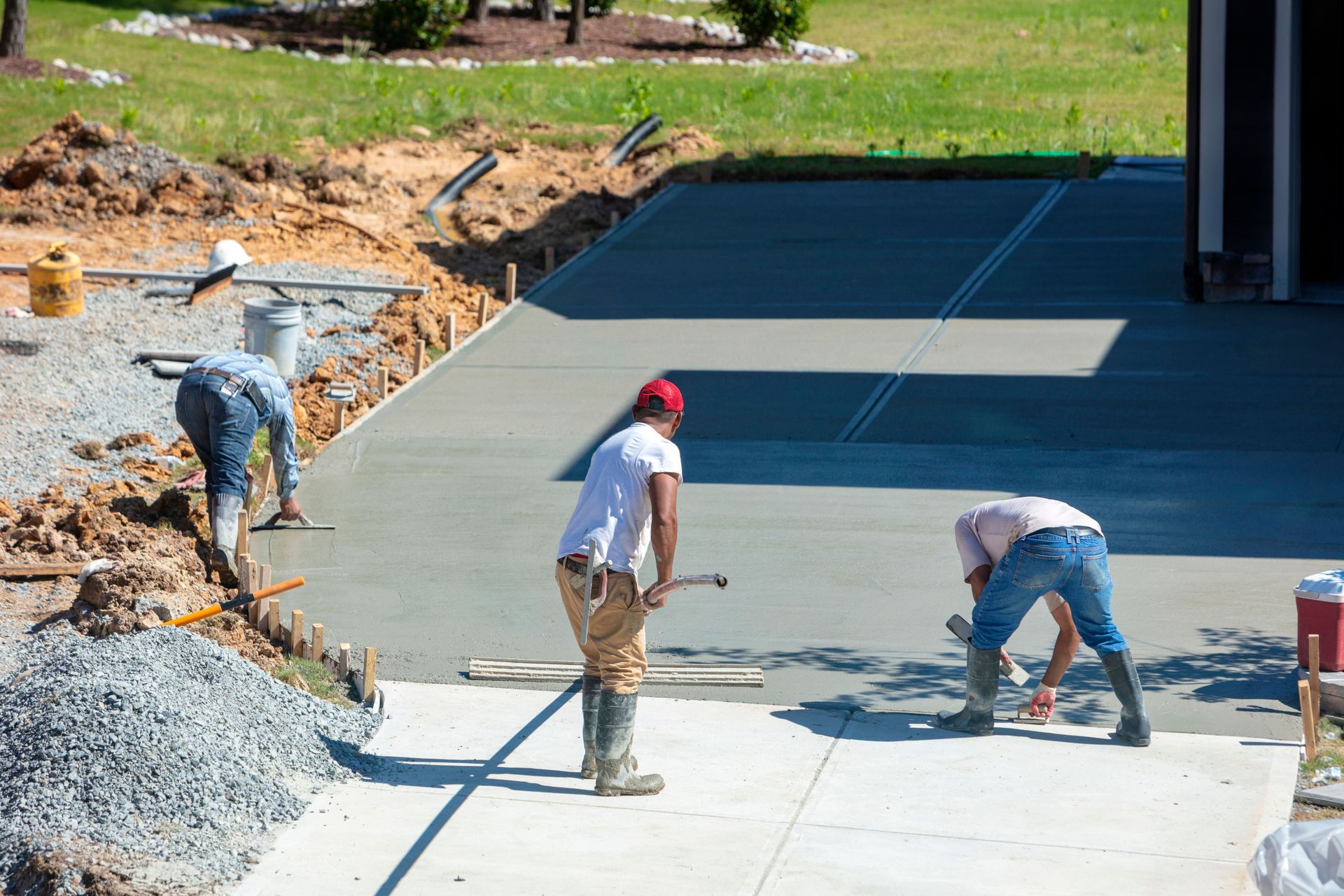
The foundation of a driveway plays a vital role in dictating its durability. It ensures structural integrity by distributing the weight of vehicles evenly across the length and breadth of the driveway. A well-constructed foundation installed by experienced driveway companies can prevent common issues like cracking, potholes, and uneven surfaces. According to HomeAdvisor, residential driveways typically do fine with a four-inch slab, but six or even eight inches adds strength and wards off cracks if you're parking heavy trucks or RVs. Therefore, evaluating your needs in terms of vehicle weight and usage frequency is essential.
Impact on Overall Appearance and Maintenance Needs
Beyond durability, the foundation also affects the overall appearance and maintenance of your driveway. A sturdy foundation provides a smooth, even surface that enhances curb appeal and reduces tripping hazards. Over time, a poorly constructed base may necessitate frequent repairs, adversely affecting both appearance and cost. By investing in a robust and high-quality foundation built by reputable driveway companies, homeowners can reduce maintenance efforts and ensure a consistently appealing look. When aesthetic considerations are of utmost importance, the foundation must be carefully selected and constructed to support desired outcomes.
Cost Implications of Different Foundation Types
The type of foundation selected can have significant cost implications. Initial construction expenses will vary based on materials chosen, the complexity of the installation, and any preparatory work required. Over time, however, a higher upfront investment in a quality foundation can reduce long-term costs linked to repairs and maintenance. For example, choosing a thicker concrete slab may initially be more expensive but could save on future resurfacing costs. Importantly, budget planning with professional driveway companies should consider both immediate and future financial impacts to achieve cost-effectiveness.
Environmental Considerations
Environmental considerations are increasing in importance for many homeowners when selecting a driveway foundation. Foundations influence water runoff, heat absorption, and potential habitat disruption. Seeking eco-friendly materials that enhance permeability can mitigate water drainage issues, helping to protect local water tables. Additionally, choosing lighter-colored materials can reduce heat absorption, contributing to lower surrounding temperatures. Environmental impacts should be weighed alongside practical benefits to ensure a balanced approach to foundation selection.
Safety and Accessibility Benefits
Safety and accessibility are key concerns addressed by the choice of driveway foundation. A stable, well-constructed foundation reduces risks such as slips, falls, and vehicle damage. Additionally, ensuring accessibility for individuals with mobility challenges might dictate specific design choices, such as ensuring smooth transitions and level surfaces. Correct foundation planning can also prevent pooling of water or ice accumulation, common hazards in certain climates. By prioritizing these concerns, homeowners fulfill both aesthetic and practical requirements within their driveways.
Evaluating Soil Types and Conditions
Analyzing Soil Composition
Understanding soil composition is critical when planning your driveway foundation. Soil types vary in load-bearing capacity and compaction potential, both vital factors in foundation design. Primary soil categories like clay, sand, and silt have unique characteristics affecting drainage, expansion, and contraction. Proper soil analysis can inform necessary modifications or reinforcements to enhance stability. Professional consultation with qualified driveway companies or geotechnical engineers can provide insights into your soil's composition and suitability for specific foundation types.
Considerations for Different Climates
Climate considerations significantly influence foundation selection and design. In colder regions, freeze-thaw cycles can induce cracks and instability, demanding more resilient materials. Conversely, arid climates may necessitate materials with moisture retention capabilities to prevent excessive drying and contraction. Adjusting design parameters to local climate conditions, such as incorporating frost barriers or using heat-resistant materials, helps ensure optimal performance. Knowing your local environment's demands enables smarter, more durable foundation construction.
Conducting a Soil Compaction Test
Performing a soil compaction test is essential to determine the soil's ability to support the driveway foundation. Proper compaction increases soil density, reducing potential shifts and settlement over time. Without adequate compaction, driveways can suffer from uneven surfaces and structural deficiencies. Licensed driveway companies can use various methods, such as the Standard Proctor Test, to evaluate and achieve the ideal compaction levels. Ultimately, this step ensures a stable base capable of supporting both vehicles and the materials layered above it.
Addressing Drainage and Water Table Issues
Effective drainage is a crucial consideration when planning driveway foundations. Improperly managed water can lead to foundation damage, erosion, and increased maintenance needs. Understanding the local water table and site-specific water flow helps in designing an efficient drainage system. Implementing techniques like grading, installing drainage pipes, or opting for permeable foundation materials can mitigate potential water issues. These measures ensure that water is guided away from the foundation, preserving its integrity over time.
Solutions for Problematic Soil Conditions
When faced with problematic soil conditions, taking proactive measures becomes vital. Strategies such as soil stabilization, which involves mixing chemical additives to improve soil properties, can be employed. In cases where drainage and support are significant concerns, introducing geotextiles or geomembranes can provide additional reinforcement. Additionally, opting for thicker slabs in areas with loose soil can enhance stability and durability. These solutions enable homeowners and driveway companies to address challenging soil conditions, ensuring a reliable and safe driveway foundation.
Exploring Foundation Material Options
Concrete: Benefits and Limitations
Concrete is favored for its durability, strength, and clean appearance, making it a common driveway foundation choice. When laid correctly, it can last several decades with minimal maintenance. However, concrete's rigidity can make it susceptible to cracking in regions with significant temperature fluctuations. According to HomeAdvisor, increasing the slab thickness to six or eight inches can enhance its resilience against such issues, particularly for driveways supporting heavier vehicles. Choosing the right concrete mix and including reinforcement like steel mesh can also extend its lifespan significantly.
Innovative Alternatives in Foundation Materials
The use of innovative materials like permeable concrete, recycled plastics, and other sustainable options is on the rise. These alternatives offer solutions that meet both environmental and performance standards effectively. Permeable materials in particular enable better water drainage, addressing common issues of runoff and erosion. While often requiring specialized installation techniques from experienced driveway companies, the long-term benefits for eco-conscious homeowners are significant. As technology advances, exploring these options becomes increasingly viable, offering durability without compromising environmental concerns.
Choosing the perfect foundation for your driveway involves a careful consideration of soil conditions, materials, environmental impacts, and professional expertise. By evaluating each of these aspects, you can ensure that your driveway is both durable and visually appealing, complementing your home for many years to come. The balance between aesthetic desires and practical demands is critical, and involves strategic planning and long-term vision. As environmental awareness and technological innovations continue to evolve, homeowners have more options than ever to make informed, future-oriented choices. Ultimately, the investment you make today will pay dividends in enhanced curb appeal, property value, and satisfaction for years ahead—so contact the experienced team at Americo Construction Co today to schedule a consultation and begin building a foundation that lasts.