June 16, 2026
The installation of a solid entryway transformation represents a major financial and aesthetic investment in any residential property. While this material is widely celebrated for its structural durability, retaining its pristine appearance and structural integrity demands regular, deliberate care. Homeowners frequently assume that once the pouring and curing stages conclude, the surface requires no further intervention. However, consistent exposure to severe weather changes, heavy vehicular traffic, and chemical spills can gradually degrade even the finest craftsmanship. Implementing a proactive preservation routine shields the surface from premature aging and minimizes the necessity for extensive structural repairs down the line. By understanding the core principles of material preservation, property owners can ensure their entryways remain both beautiful and safe for decades. Engaging with the proper preventative measures not only enhances immediate curb appeal but also preserves the underlying foundation of the entire residential exterior layout.
Clean the Surface Regularly
Accumulated dirt, fallen leaves, and migrating moss do more than just ruin the visual appeal of a residential entryway. Over extended periods, organic debris traps moisture against the surface, creating a breeding ground for invasive root systems that can exploit microscopic imperfections. Regularly sweeping away loose materials prevents these organic elements from decaying and leaving dark, stubborn blemishes behind. For deeper purification, utilizing a high-pressure water stream can effectively dislodge deeply embedded grime and silt from the porous material matrix. Property owners should make this deep rinsing practice a seasonal habit, particularly after severe windstorms or heavy autumn leaf falls. Ensuring a clean surface allows for a clear view of the structural condition, making it easier to spot minor changes before they evolve into major complications. Experienced concrete driveway contractors always emphasize that basic cleanliness remains the simplest and most effective defense against premature surface deterioration.
Seal the Material Periodically
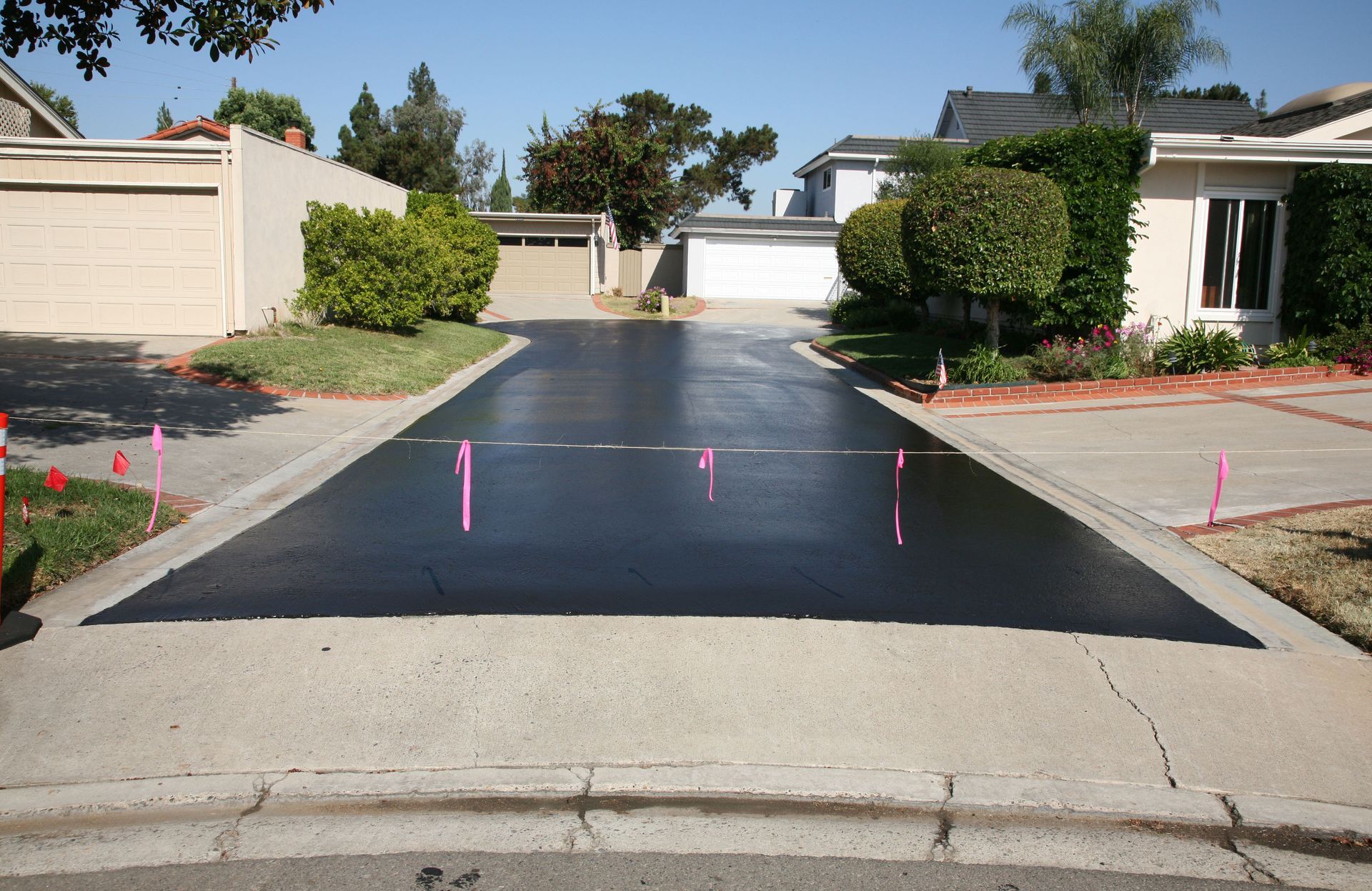
Applying a defensive chemical barrier stands as one of the most vital acts of long-term structural preservation. Unprotected masonry naturally absorbs moisture, which can lead to severe internal fracturing when trapped water expands during freezing winter conditions. A premium protective coating penetrates the top layer, forming an invisible shield that repels water, automotive fluids, and harmful solar radiation. According to Today's Homeowner, a sealer should be applied every two to three years to keep a concrete driveway looking new and prevent damage. Skipping this critical maintenance milestone leaves the entryway highly vulnerable to surface flaking and deep, unfixable discoloration. The application process requires completely dry conditions and thorough surface preparation to ensure the chemical bonding agent adheres flawlessly. When property owners stay dedicated to this repeating preservation cycle, they successfully multiply the functional lifespan of their residential pathways.
Fill Emerging Surface Cracks
Small fractures can manifest over time due to natural ground shifting, heavy weight distribution, or extreme temperature fluctuations. Leaving these narrow openings unaddressed invites water to seep directly down into the underlying gravel support foundation. Once the subgrade moisture weakens the foundational dirt, the overhead slab loses its uniform support, leading to major structural sagging and widespread breaking. Inspecting the entire surface area before the arrival of winter allows homeowners to identify and seal these vulnerable pathways early. Utilizing a high-grade flexible patching compound ensures that the repaired joint can expand and contract naturally without reopening. Properly clearing out loose sand and debris from the fracture prior to product injection guarantees a durable, watertight bond. Trusted concrete driveway contractors routinely advise that intervening during the initial stages of fracturing prevents the eventual necessity of total section replacement.
Remove Automotive Chemical Spills
Vehicles frequently drop fluids such as motor oil, transmission lubricants, and radiator fluids onto household entryways. These petroleum-based substances do not merely create dark, unsightly patches; they actively penetrate the porous structure and weaken the internal chemical bonds of the masonry. Addressing these hazardous drops immediately with absorbent granules, such as specialized clay or common baking soda, prevents the fluid from sinking deeper into the slab. Once the dry powder lifts the majority of the liquid, scrubbing the area with a stiff brush and biodegradable degreasing soap removes the remaining residue. Avoid using incredibly harsh acid treatments for routine cleaning, as these aggressive mixtures can permanently etch the surface and expose the rough internal stones underneath. Taking swift action against every automotive leak preserves the uniform color profile and structural integrity of the active parking zones.
Manage Nearby Landscape Vegetation
The root systems of large perimeter trees and aggressive ornamental shrubs possess immense strength as they search for subsurface moisture. If left unmanaged, expanding roots can grow directly beneath the entry slabs, exerting powerful upward pressure that cracks and lifts heavy sections of masonry. Property owners should carefully consider the mature size of vegetation when planning gardens adjacent to the main vehicular paths. Installing deep physical root barriers along the boundaries of the hardscape can successfully redirect root growth downward and away from vulnerable foundations. Additionally, ensuring that lawn sprinkler systems do not continuously saturate the edges of the driveway prevents the underlying soil matrix from washing away over time. Maintaining a harmonious balance between residential greenery and hardscape structures protects the home environment from costly subterranean damage.
Evade Harsh Chemical Deicers
Winter weather introduces unique hazards to residential hardscapes, tempting many individuals to scatter chemical melting crystals to clear packed ice. While these salt mixtures provide immediate traction, they rapidly accelerate the destructive freeze-and-thaw cycle within the porous material. The chemical compounds drop the freezing point of water, allowing more liquid to penetrate the slab, which then refreezes with incredible force when temperatures drop further. Additionally, certain ammonium and sulfate treatments directly attack the chemical composition of the masonry, causing rapid crumbling and surface pitting. Opting for clean sand or natural gravel provides exceptional traction on slippery walkways without introducing destructive chemical reactions. Professional concrete driveway contractors frequently witness the devastating results of seasonal salt usage and heavily advocate for mechanical snow removal methods instead.
Control Heavy Weight Distribution
Residential entryways are carefully engineered to support standard family vehicles, including passenger sedans, midsize SUVs, and light pickup trucks. However, routing exceptionally heavy commercial equipment, such as fully loaded concrete mixers, massive industrial moving vans, or large waste disposal trucks, over the residential slab can exceed the structural load capacity. These massive industrial loads can easily break the edges of the driveway or cause immediate subterranean collapsing if the underlying soil is damp. When scheduling major home renovations or commercial deliveries, request that operators park their heavy rigs out on the main public roadway rather than on your private approach. Instructing family members to avoid parking heavy watercraft or construction trailers on the absolute edges of the masonry slab also prevents localized fracturing. Managing the weight profiles allowed onto your property preserves the structural equilibrium of the entire entryway.
Preserving a pristine residential entryway requires a balanced combination of consistent daily awareness and timely technical interventions. From basic regular sweeping and swift chemical cleanup to avoiding destructive winter salts and managing invasive landscape roots, every small effort contributes directly to the enduring strength of the slab. Staying dedicated to these simple guidelines helps avoid premature failure and protects the exterior aesthetic of your entire household. When major preservation milestones arrive or complex structural anomalies demand sophisticated mechanical evaluation, having a reliable team by your side makes all the difference. At Americo Construction Co, we are wholly committed to helping property owners protect their structural investments through superior craftsmanship and insightful guidance. Reach out to our seasoned concrete driveway contractors today to schedule your comprehensive entryway evaluation, and let us ensure your home pathways remain beautiful, safe, and entirely structurally sound for the future.